“What Parents Never
Understand About a Young Cricketer’s Dream”
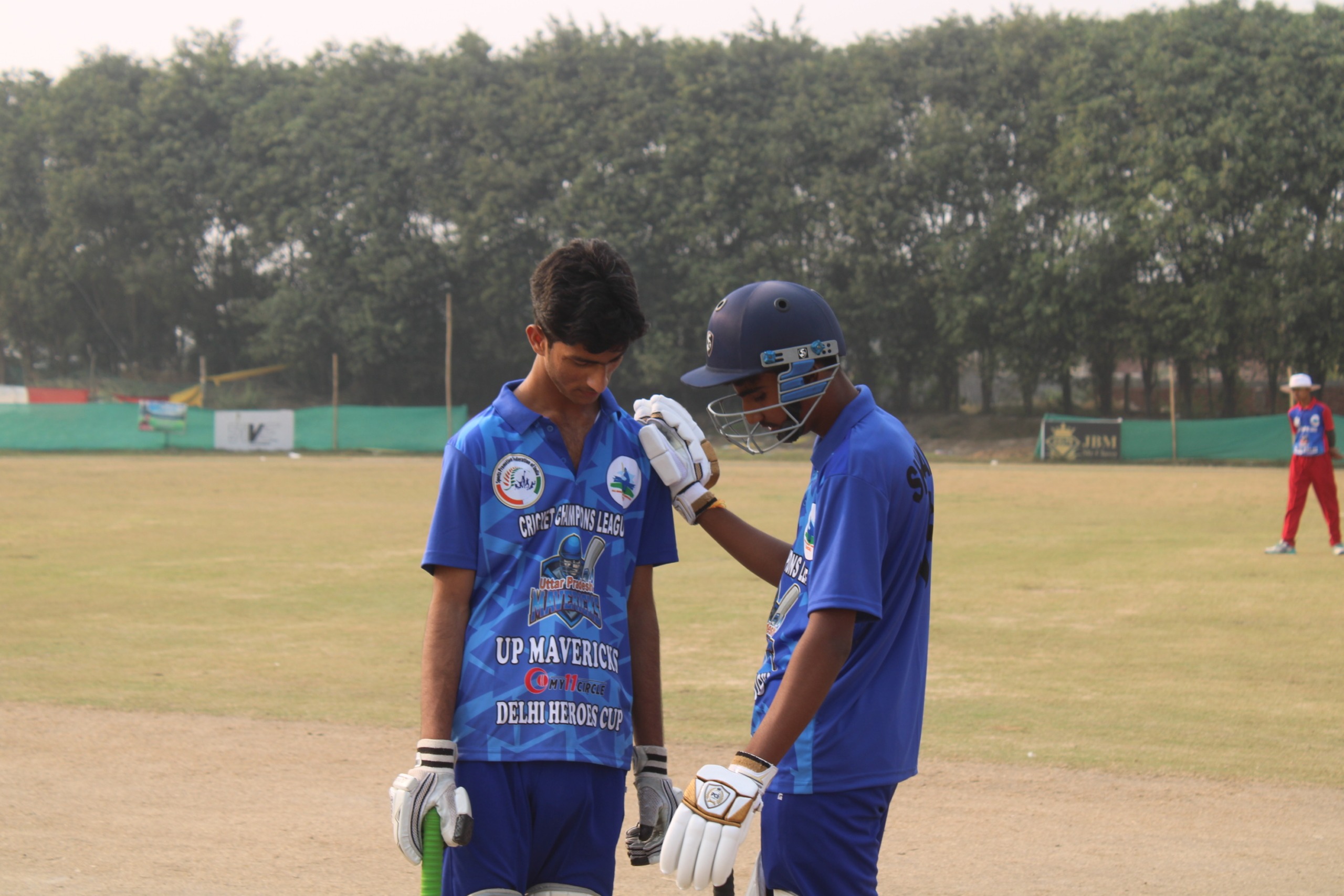
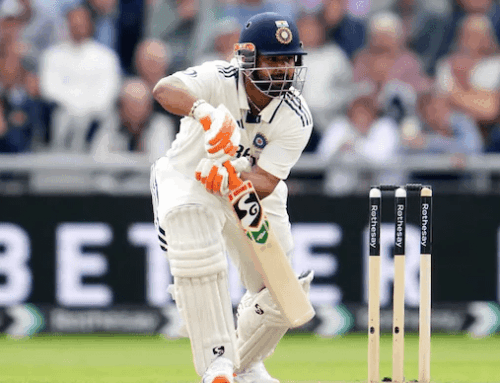
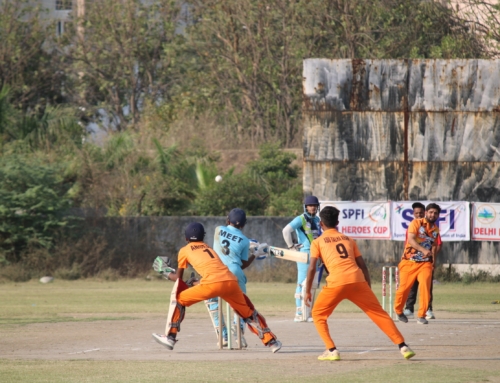
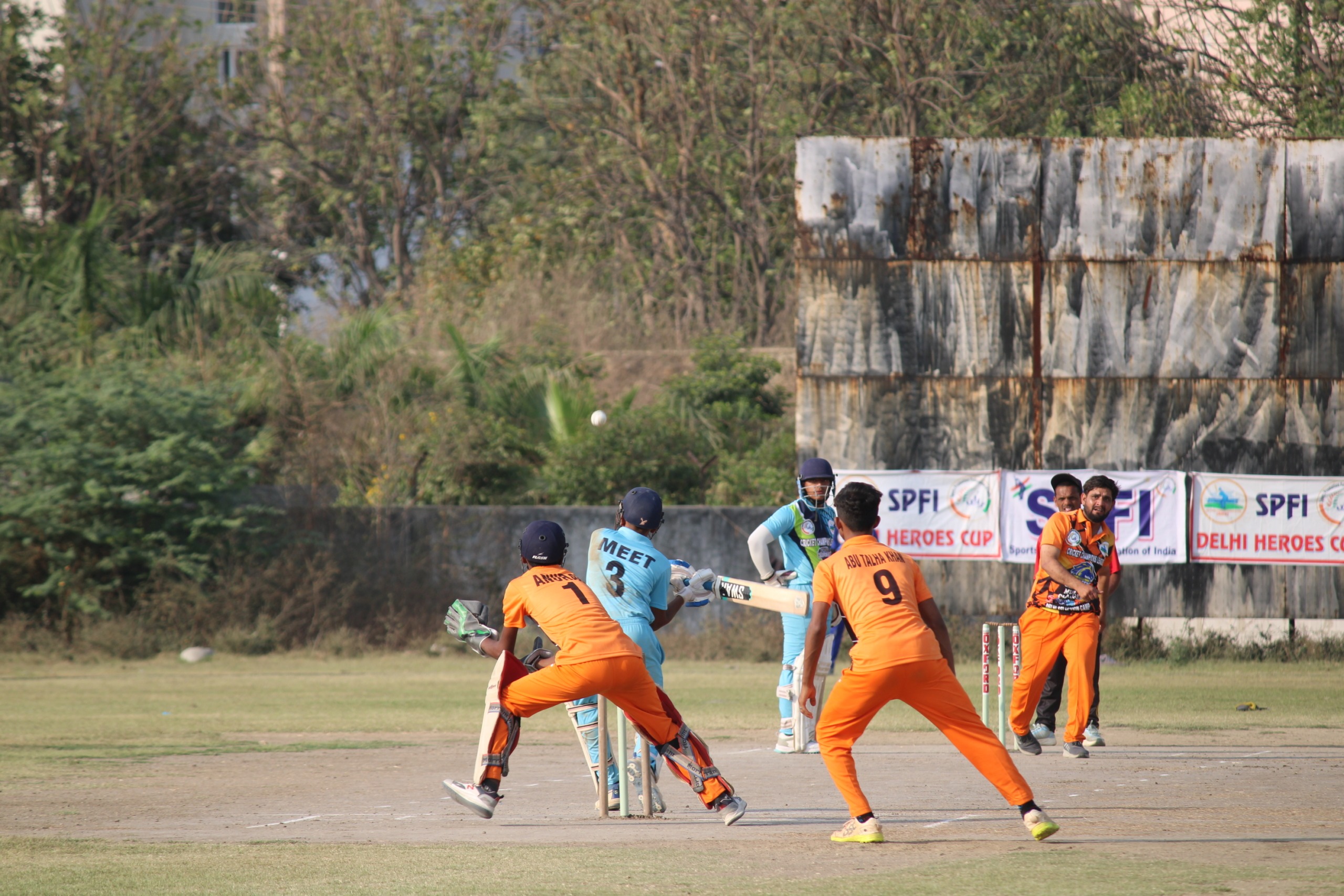
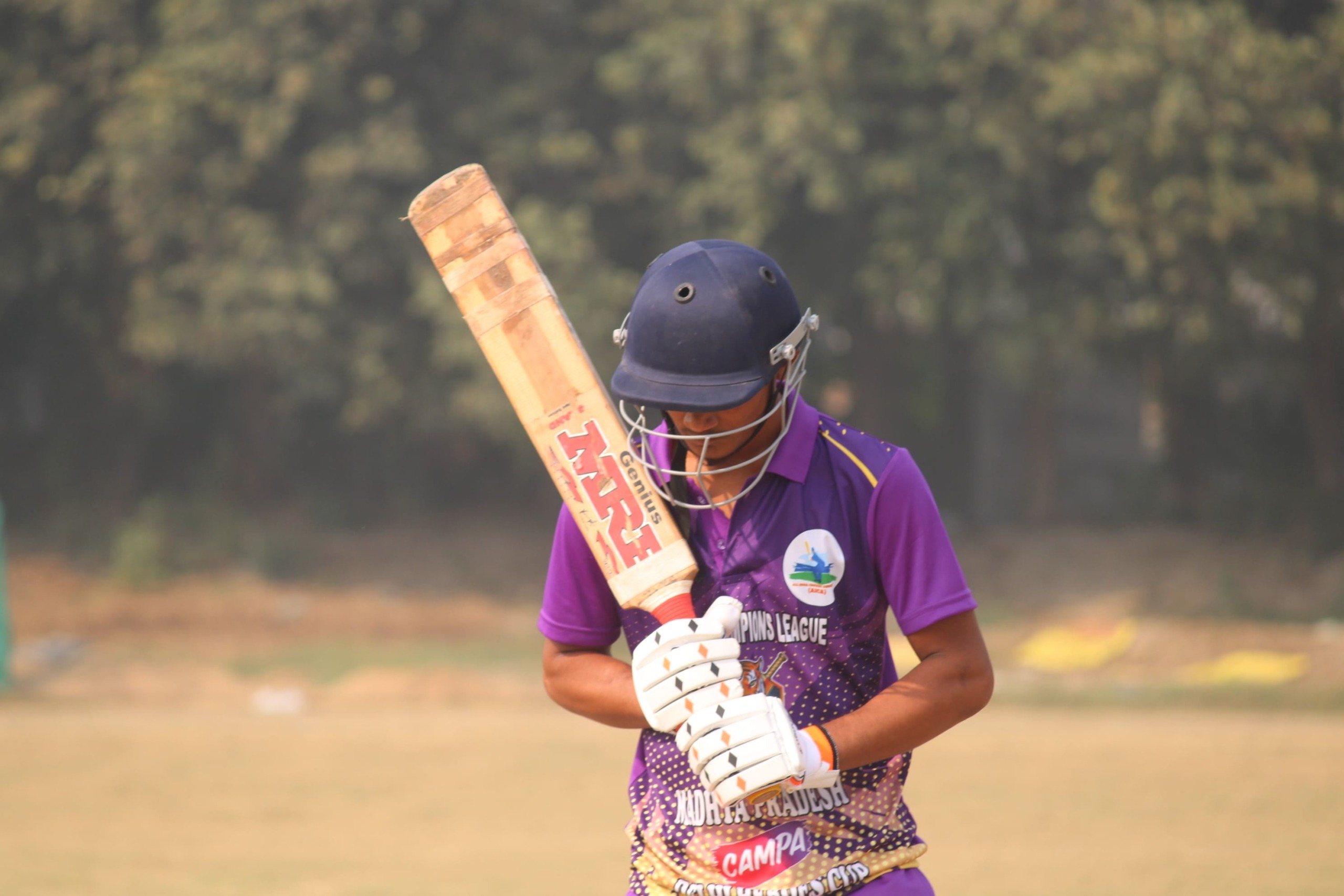
What parents often fail to notice is the emotional world hidden behind this dream. A young cricketer may smile after a bad match, but inside they replay every missed shot, every dropped catch, and every rejection from trials. While others see cricket as entertainment, these players see it as identity, ambition, and sometimes even escape. The pressure to balance studies, expectations, and performance slowly becomes a battle between reality and passion. Yet despite the fear of failure, they continue to practice because somewhere deep inside, the dream still feels alive.
Not every young player dreams of becoming the next Virat Kohli or MS Dhoni overnight. Sometimes, they simply want support, understanding, and a chance to prove themselves. Cricket teaches them discipline, patience, sacrifice, and resilience long before success arrives.
The Emotional Pressure Young Cricketers Hide
Behind the confidence seen on the cricket field, many young players silently carry emotional pressure every single day.
They constantly fear disappointing their parents, especially when results, selections, or performances do not go their way. The pressure becomes even heavier during trials, where one mistake can feel like the end of a dream they have worked for over many years.
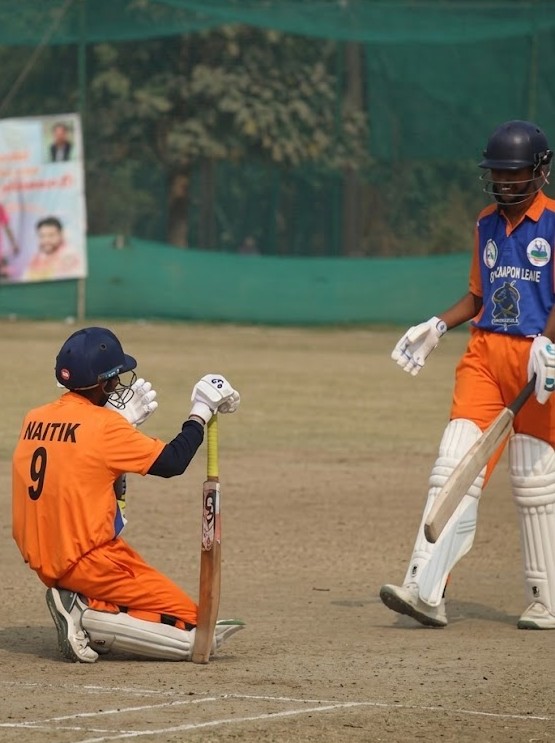
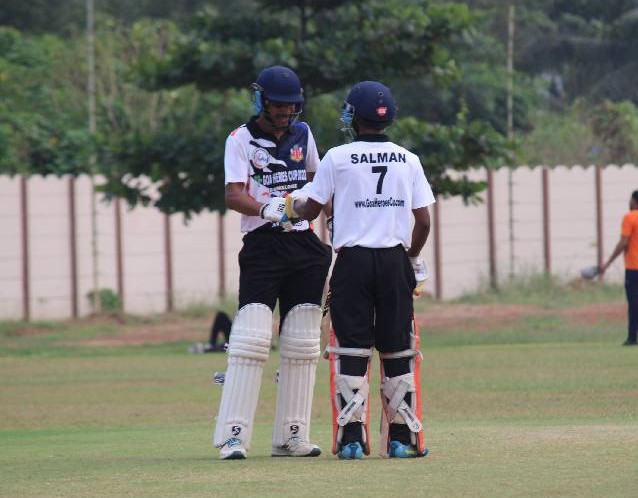
At the same time, balancing studies with long practice sessions is emotionally exhausting. Many young cricketers struggle with tiredness, expectations, and the fear of falling behind in academics. After rejection, self-doubt quietly takes over — making them question their talent, hard work, and future. Yet despite the pain, most players return to the ground the next morning, still chasing the dream they refuse to give up.
Many young cricketers already fight pressure on the field, but what gives them real strength is support from home. Sometimes, a single sentence like “We believe in you” can motivate a player more than hours of practice. Emotional support helps them stay confident even after failure or rejection.
For a young player, seeing parents attend matches or cheer from the sidelines creates a feeling of comfort and confidence. It makes them feel that their hard work is being noticed, even when results do not go their way. That presence often becomes a bigger motivation than trophies or applause.
Trust also plays a huge role in shaping a cricketer’s mindset. When parents trust their child’s passion instead of constantly doubting it, the player feels emotionally stronger and more focused. Talent may open doors, but support often gives young cricketers the courage to keep walking through them.
Why Support Matters More Than Talent Sometimes
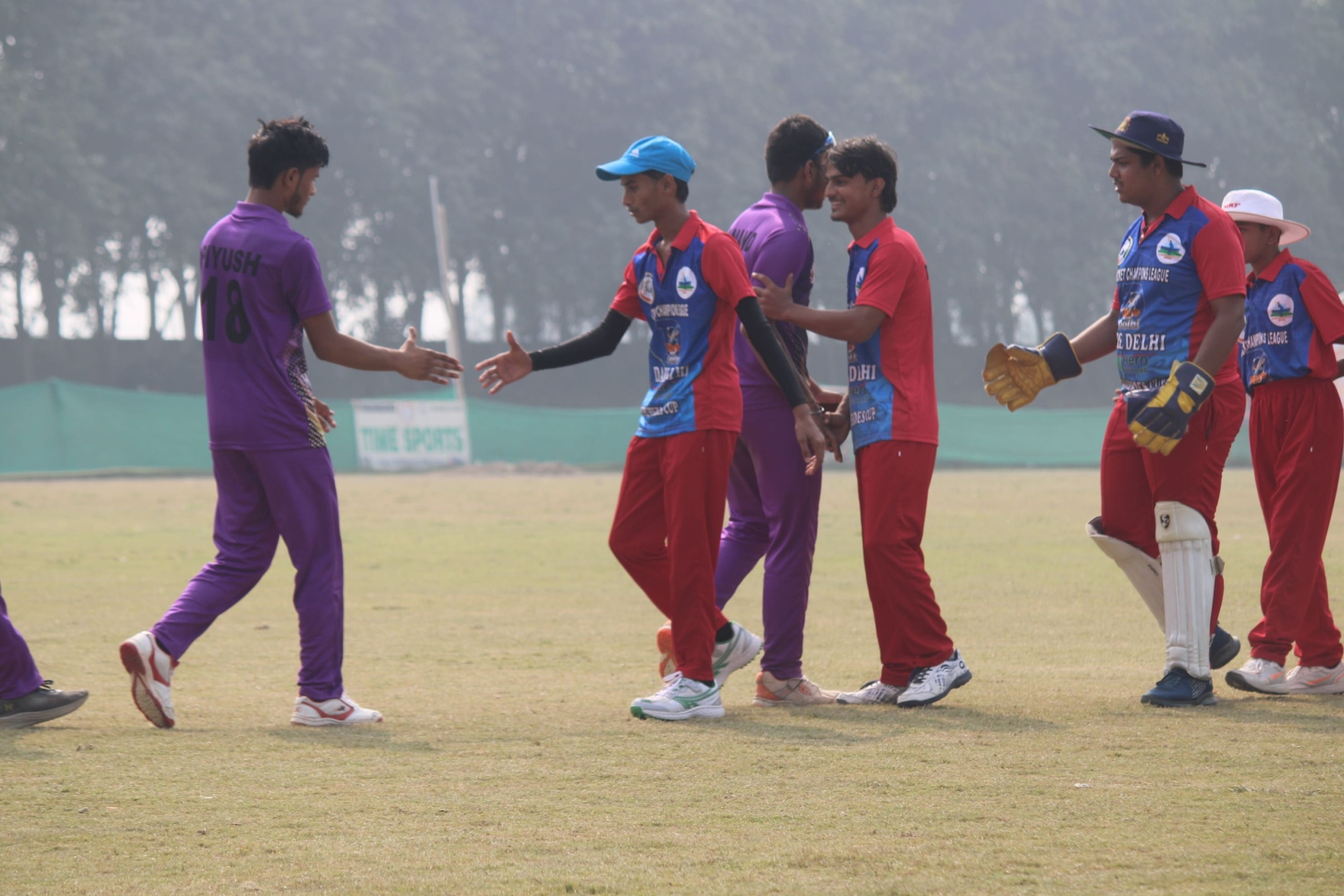

Behind Every Cricket Dream Is a Silent Battle
“A young cricketer does not only fight opponents on the field — sometimes they fight pressure, fear, expectations, and loneliness within themselves. All they truly need is someone who believes in their dream before the world does.”
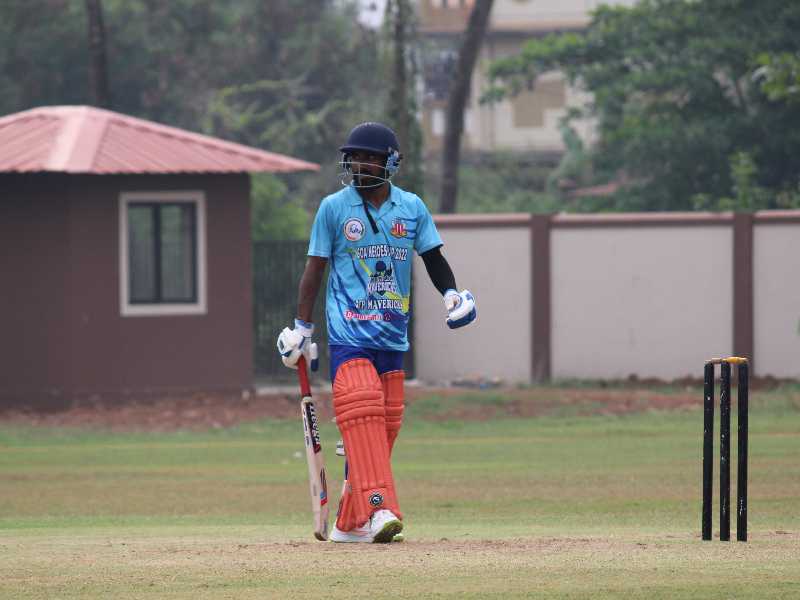
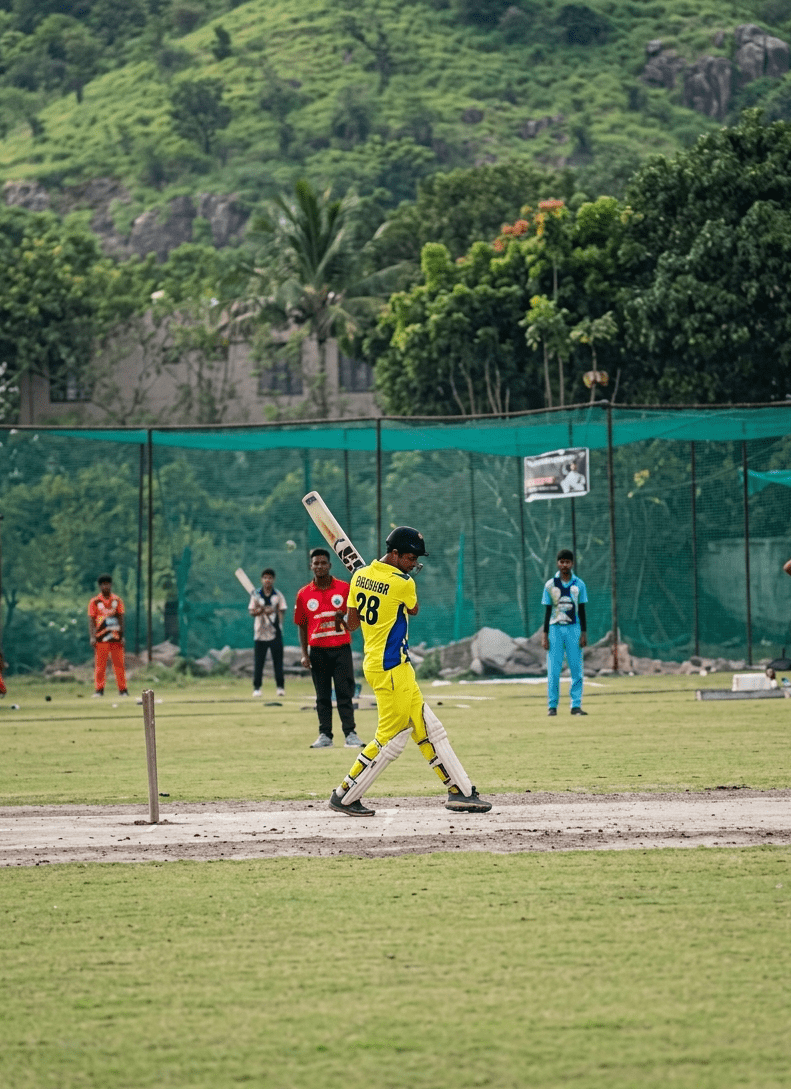
For players who truly live the game, cricket slowly becomes a part of daily life. It teaches how to stay disciplined when practice starts before sunrise, how to stay calm after getting out cheaply, and how to keep improving even when nobody notices the hard work. Every training session, every missed opportunity, and every comeback shapes a stronger mindset.
Cricket also teaches players how to trust teammates, handle pressure, and control emotions during important moments. A player may lose a match, fail in trials, or sit out of the playing XI, but those experiences build patience and mental toughness that stay for life. The game makes players mentally stronger long before success arrives.
Real Time Stories of Famous Cricketer
Even a small word of encouragement from parents can turn pressure into motivation. Support becomes the invisible strength behind every performance.


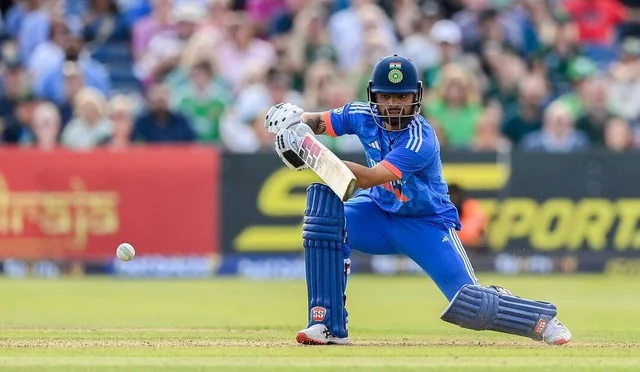

“Sometimes Young Cricketers Don’t Need Permission — They Need Understanding”
THE STRATEGIC SOLUTION

Young cricketers should focus on consistent practice, fitness, and continuous improvement instead of only worrying about selection or results. Parents play a key role by offering emotional support, trusting their child’s passion, and encouraging them during matches. Players must learn to accept rejection as part of the journey and use it to grow stronger rather than losing confidence.